What Is an Escape Room? A Beginner's Guide to Fun

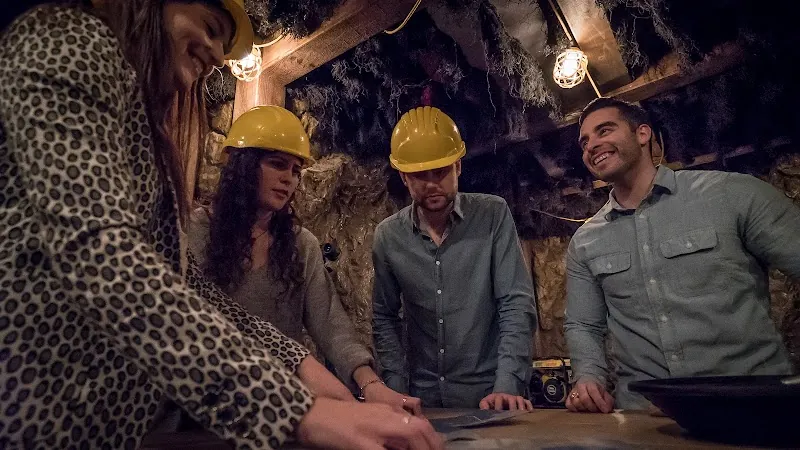
Picture this: you and a few friends are standing in a dimly lit room, there's a ticking clock on the wall, a mysterious locked box on the table, and absolutely zero idea where to start. Someone's already trying to move the bookshelf. Someone else is reading a note out loud in a dramatic voice. You're laughing, a little panicked, and completely hooked. That's an escape room, and if you've never done one, you're genuinely missing out.

Escape rooms have exploded in popularity over the last decade. What started as a niche hobby in Japan has turned into a multi-billion dollar global industry, with thousands of venues running across the United States alone. Families, coworkers, couples on date nights, birthday groups, all of them are booking sessions at escape room venues. And yet, a surprising number of people have still never tried one, mostly because they don't really know what to expect. This guide fixes that. By the end, you'll know exactly how they work, what kinds of rooms exist, who they're really for, and how to find a great one near you.
How Escape Rooms Work: The Basic Concept

Here's the simplest version: a small group of people gets locked in a themed room, and they have to solve a series of puzzles, find hidden clues, and crack codes to "escape" before a timer runs out. Most rooms give you 60 minutes. Some run 45, some run 75, but 60 is the standard you'll see at the vast majority of escape room venues.
Before you start, a game master walks you through the rules. This person is usually watching your group through cameras the entire time, which sounds creepy but is actually useful, because when you're completely stuck on a padlock combination for the eighth minute in a row, they can send you a hint. Hints work differently depending on the venue. Some give you unlimited hints, some give you three, some make you "earn" hints through certain actions in the room. Ask about this before you start.
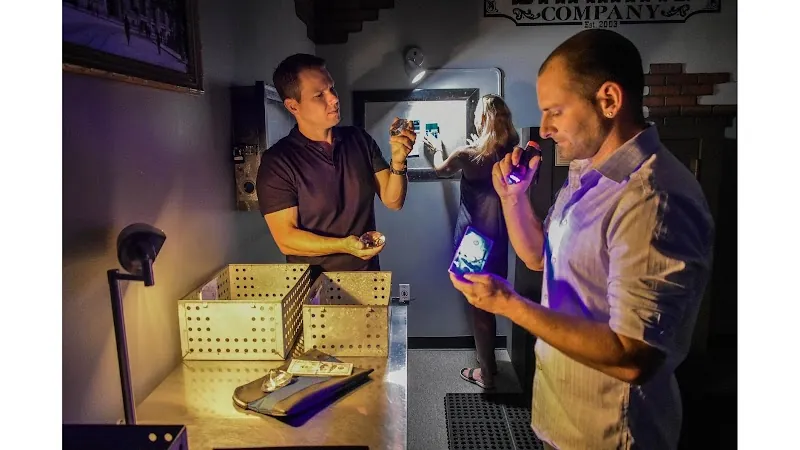
Walking into one for the first time, a lot of people expect it to be like a video game. It is not quite that. There are real physical objects, real locks, real props. You're touching things, moving things, talking through problems out loud with your group. It's much more tactile than people expect, and that's honestly part of what makes it fun.
What happens if the timer hits zero and you haven't escaped? Nothing scary. The game master comes in or communicates through a speaker, tells you what the solution was, and walks you through any puzzles you missed. No penalty, no embarrassment. Most venues are very chill about it, and a large percentage of first-time groups do not escape on their first try. That's normal.
Group sizes typically run from 2 to 8 players, though some larger venues have rooms that can hold up to 12. Rooms are usually designed around a "sweet spot" of 4 to 6 players. Too few people and some puzzles feel overwhelming; too many and everyone's stepping on each other trying to do the same thing. Arrive a few minutes early because most venues do a short briefing before your clock starts, and being late can cut into your actual game time.
Ask the venue about their hint system before you start. Some places penalize you for hints (deducting time or points), and others offer them freely. Knowing this changes how aggressively you ask for help mid-game.
Types of Escape Room Themes and Experiences
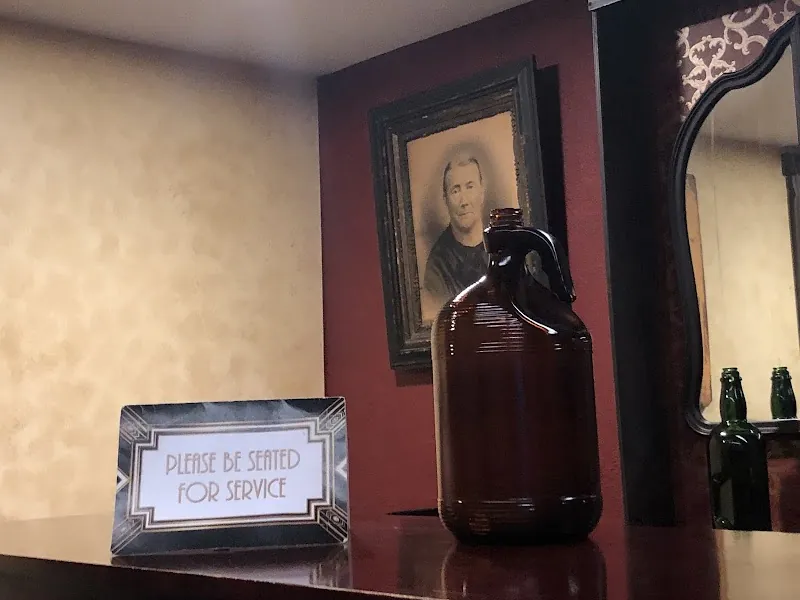
Mystery is probably the most common theme you'll find. Think detective stories, murder mysteries, secret societies, locked libraries. Horror themes are also extremely popular, especially around Halloween, though plenty of venues run them year-round. Adventure themes include things like jungle expeditions, ancient tombs, pirate ships. Heist rooms put you in the role of a thief breaking into a vault or museum. Sci-fi rooms go full space station or time travel. There's genuinely a lot of range here.
Difficulty levels matter more than people realize. Most venues rate their rooms on a scale, something like 1 to 5 stars or "beginner, intermediate, advanced." Do not book an advanced room as your first experience. I cannot stress this enough. A room rated for experienced players will have multi-step puzzles that assume you already understand common escape room logic and conventions. Start easy, learn the format, then level up on your next visit.
And newer formats have started showing up that weren't around even five years ago. Virtual escape rooms, where your whole group logs onto a video call and a game master runs you through a digital version, became a big deal during the pandemic and stuck around because they work well for remote teams. Outdoor escape experiences turn a whole neighborhood or park into a puzzle trail. Mobile escape room setups bring a room to you in a trailer or pop-up format, which is weirdly impressive when you see it for the first time. (One company I read about fits a fully functional escape room into a converted shipping container. That level of commitment to the bit is admirable.)
Some venues also offer "horror actor" rooms where live performers are part of the experience. These are not for everyone. If your group has anyone who really does not like jump scares or people getting in their face, maybe save that version for later.
Who Are Escape Rooms For?
Honestly, almost anyone.
Families with kids do well in beginner-friendly rooms. Many venues have rooms specifically rated for ages 8 and up, with puzzles that are more visual and less text-heavy. Corporate groups use escape rooms constantly for team-building, and this isn't just a trend, there's a real reason it works: the format forces people to communicate, divide tasks, and think together under pressure, which is exactly what you want to practice with a work team in a low-stakes setting. Birthday parties, bachelorette events, anniversary dates, you name it and someone has booked an escape room for it.
Now, the concerns people have. Claustrophobia comes up a lot. Most escape rooms are not actually that small. A typical room is probably the size of a large living room or small office space. Some venues will tell you outright that their rooms are not enclosed in a way that triggers claustrophobia, and many have doors that are never actually locked, meaning you can leave any time. Ask the venue directly if this is a worry for you. They're used to the question.
Physical requirements are minimal in most rooms. You might need to crouch down to look under something, or reach up to a shelf, but nothing athletic is required. A few adventure-themed rooms involve crawling through a short tunnel, and venues will usually note this in their room description.
No prior experience is needed. At all. First-timers are the majority of customers at most escape room venues. The game master's job includes making sure you understand what you're doing before the clock starts.
Most escape rooms ask you not to use your phone during the game. Leave it in your pocket or a locker if provided. Besides, you really won't want the distraction once the puzzles start clicking into place.
The Escape Room Industry: Growth and Real Numbers
Here's what nobody tells you when you're just browsing for something fun to do on a Saturday: the escape room industry is genuinely massive. Globally, it has grown into a multi-billion dollar market. In the United States alone, there are thousands of venues operating right now, spread across cities large and small.
Looking at the Escape Room Pal directory, which currently lists 100 businesses across 5 cities, you can already see how concentrated demand gets in certain regional markets. Shreveport leads with 16 listings, which is a strong indicator that this is a market with real competition and variety. Williamsville and Lockport each have 6 listings. Bossier City and Monroe each have 5. These aren't huge national cities, and yet they're supporting multiple escape room venues each. That tells you something about how broadly this kind of entertainment has spread beyond just major metros.
For context, a city like Shreveport having 16 separate escape room businesses means players in that market have real choices: different themes, different price points, different difficulty levels. That's a good thing for consumers. More competition usually means venues work harder to make their rooms genuinely good.
| City | Number of Listings |
|---|---|
| Shreveport | 16 |
| Williamsville | 6 |
| Lockport | 6 |
| Bossier City | 5 |
| Monroe | 5 |
And if you're budget-conscious about entertainment spending in general, that's a fair thing to factor in. A session at an escape room typically runs anywhere from $20 to $35 per person depending on the venue and city. Split across a group of four, that's a reasonable night out. For comparison, if you're already thinking about ways to stretch your entertainment and food budget, checking out options like salvage grocery stores in your area can free up spending money for experiences like this without much effort.
Tips for First-Time Escape Room Players
Start with a beginner room. Already said this but it bears repeating because people ignore it and then have a bad time.
Communication is the single biggest factor in whether a group does well or completely falls apart. Here's a common mistake: someone finds a clue and just quietly uses it themselves without telling anyone. Now three other people are looking for that same clue somewhere else, wasting everyone's time. When you find something, say it out loud. When you solve something, announce it. Keep the whole group in the loop constantly.
Read every clue carefully. Not glance at it. Actually read it. A lot of puzzles have the solution embedded in the exact wording of a note, and groups that skim clues miss answers that were sitting right in front of them the whole time.
Ask for hints early, not at minute 55. Seriously. A lot of groups are too proud to ask for hints and then burn the last 20 minutes on one puzzle they could have solved with a nudge at minute 30. Hints are part of the game. Use them.
What to wear: comfortable clothes, closed-toe shoes, nothing you'd be upset about getting dusty or crouched in. Do not wear a bulky costume or anything that limits your movement. Leave big bags or purses in the car or at the front desk if lockers are available. You don't need anything in the room except yourself.
Mentally, prepare for a fast-paced environment where you will feel stuck multiple times. That's the design. Feeling stuck and then suddenly figuring it out is literally the point. Don't panic when you hit a wall; just move to a different clue and come back.
Divide and conquer early. When you enter the room, split up and scan different areas for clues instead of everyone crowding the same corner. Reconvene and share what you found. You'll cover more ground in the first 5 minutes than most groups do in 15.
How to Find and Choose an Escape Room Near You
Not all escape room venues are equal. Some are professionally designed with serious production value; others are a spare room with a couple of combination locks and a printed sheet of instructions. Both can be fun, but you should know what you're walking into.
Look at customer reviews first. Not just the overall star rating, but the actual text of recent reviews. Look for comments about puzzle quality, whether the game master was helpful, and whether the room's technology worked properly. A room with broken props or malfunctioning electronics can tank the whole experience. Recent reviews matter more than old ones because venues do update and improve their rooms over time.
Check group size accommodations. If you have a party of 8, confirm the venue has a room that works for 8. Cramming too many people into a room designed for 4 creates chaos, and not the fun kind.
Pricing varies a lot. Some venues charge per person, others charge a flat group rate. For a group of 4 to 6, expect to pay somewhere between $100 and $200 total at most mid-range venues, though upscale experiences in larger cities can run higher.
A directory like Escape Room Pal makes this comparison process a lot faster. Instead of searching venue by venue and piecing together details from five different websites, you get business listings with location info, city data, and key details in one place. With 100 businesses listed across cities like Shreveport, Williamsville, Lockport, Bossier City, and Monroe, it's a solid starting point if you're in those regions and want to see what's available without doing a ton of legwork.
Booking in advance is almost always necessary, especially on weekends. Popular time slots (Friday and Saturday evenings) fill up fast. Don't assume you can just walk in.
Frequently Asked Questions
How long does an escape room experience last?
Most rooms run 60 minutes of actual game time. Factor in 15 to 20 minutes for arrival, the game master's briefing, and a debrief or photo op afterward, and you're usually looking at about 90 minutes total from walking in to walking out. Some venues offer shorter 45-minute rooms or longer 75-minute experiences, so check the listing before you book.
Do I need to have played escape rooms before to enjoy one?
Not at all. First-timers make up a huge portion of customers at any escape room venue. Pick a beginner-rated room, listen to the game master's instructions carefully, and don't be shy about asking for hints. You'll figure out the format within the first few minutes.
Are escape rooms safe for kids?
Many are, yes. Look for venues that specifically list age recommendations for their rooms. A room rated for ages 8 and up will have age-appropriate puzzles and no scary content. Horror-themed rooms are generally not suitable for young children, and venues usually note minimum age requirements on their listings.
What if I'm claustrophobic?
Call the venue before booking and ask directly about room size and whether the door stays physically unlocked. Most escape room facilities are not actually confined spaces, and many explicitly allow players to leave if they feel uncomfortable. Staff take this seriously and won't pressure anyone to stay in the room.
How many people should I bring?
A group of 4 to 6 is the sweet spot for most rooms. Two people can work but some puzzles become very demanding with only two sets of hands. More than 8 and it gets crowded and disorganized. Check the venue's recommended group size for the specific room you're booking.
Can I find escape rooms in smaller cities, not just major metros?
Yes, and the Escape Room Pal directory is a good example of this. Cities like Shreveport (16 listings), Williamsville, Lockport, Bossier City, and Monroe all have multiple venues operating right now. Escape rooms have spread well beyond major cities and are a genuine entertainment option in mid-size regional markets.
What should I do if my group gets completely stuck?
Ask for a hint. That is literally what the game master is there for. Don't wait until the last few minutes. A well-timed hint at the halfway point gives your group time to actually finish, which is way more satisfying than getting a hint at minute 58 and not having time to use it.
More Ways to Save
Find an Escape Room Near You on Escape Room Pal
Browse our directory of 100 listed businesses across Shreveport, Williamsville, Lockport, Bossier City, Monroe, and more. Compare venues, check locations, and book your first escape room experience with confidence.
Search the Directory