What Actually Happens Inside a Team Building Venue (And Why It's Not What Most People Expect)

Ever booked a "team building" event and dreaded it before you even showed up? Most people have. But team building venues, especially the escape room variety, have quietly gotten a lot better at making the experience worth your afternoon.
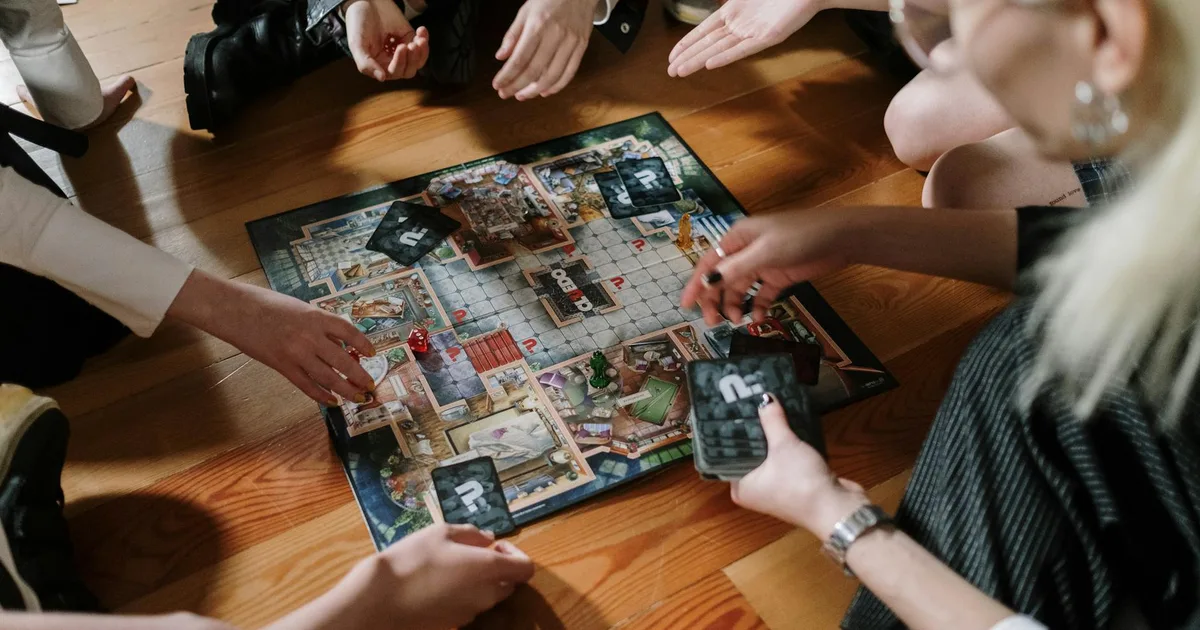
These places are purpose-built for groups. Not a conference room with a flip chart. Not a ropes course in the rain. A team building venue is a dedicated facility where the whole point is getting people to work together inside a designed experience, usually under some kind of pressure or time constraint. That's the core of it.
What a Team Building Venue Actually Is
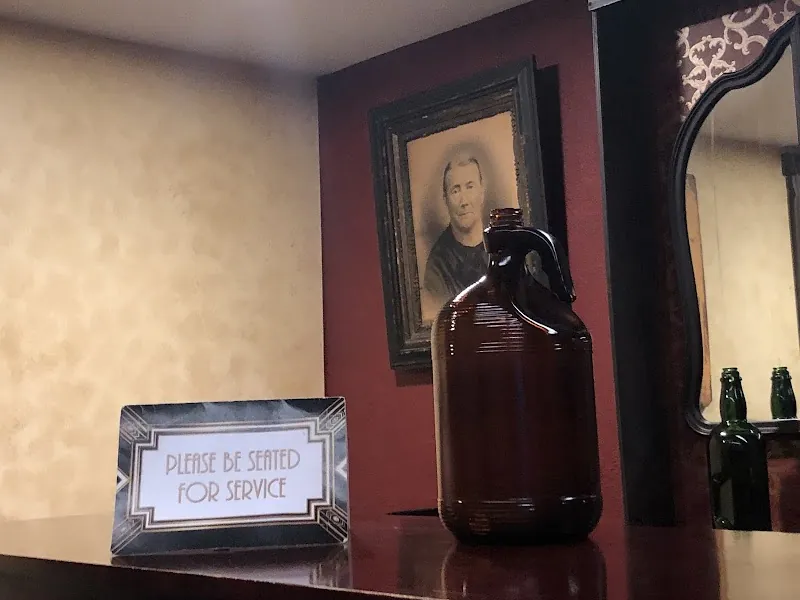
Walking into one for the first time, you might expect something corporate and awkward. Often it's the opposite. Most team building venues in the escape room space are set up like entertainment venues first, with a structured group experience layered on top.
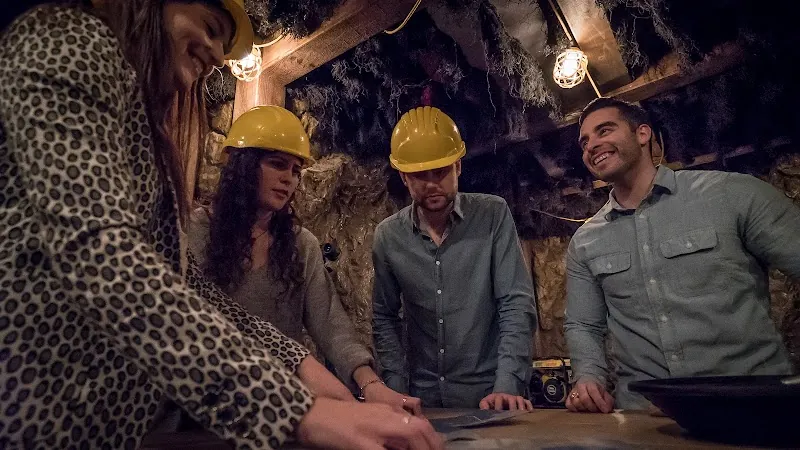
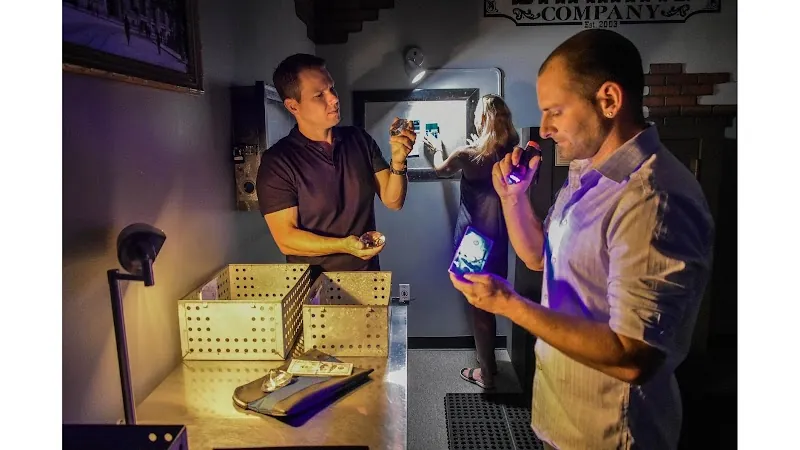
You'll usually find a lobby or briefing area, a game master who runs your session, and one or more rooms or challenge spaces designed for groups of four to twelve people. Some facilities run multiple rooms simultaneously, which means larger companies can split into competing teams and compare results afterward. That competitive angle is surprisingly effective at getting people genuinely engaged.
Good facilities also tend to have a debrief component. This is where team building venues separate themselves from just going to a regular escape room with coworkers. A proper debrief connects what happened during the activity to actual workplace dynamics: who took charge, who noticed the detail others missed, where communication broke down. It's brief, usually ten to fifteen minutes, but it does a lot of work.
And honestly, the debrief is the part most groups remember longest.
How These Venues Differ from Regular Escape Rooms
This distinction matters more than people realize. A standard escape room is built for entertainment. You pay, you play, you leave. Fun, but that's where it ends.
Team building venues are designed with a different goal in mind. They often offer dedicated group pricing, private room bookings, facilitator support, and customizable difficulty levels. Some will adjust the challenge based on your industry or team size. A group of twenty software developers might get a puzzle-heavy room with logic gates and code sequences. A retail team might get a scenario built around fast decision-making and role delegation. The content can be shaped around your group.
Wait, that's not quite right to generalize too broadly. Not every venue offers full customization. Smaller operators may run a fixed experience regardless of group type. But the majority of reputable team building venues, especially those with verified reviews and a track record, do offer at least some level of tailoring.
Pricing also works differently. Most team building venues charge per group or per session rather than per person, which actually makes them more cost-effective for larger teams than they first appear. A session for ten people might cost less per head than a catered lunch.
What to Expect When You Book One
Booking a team building venue is usually straightforward. Most have online reservation systems. You pick a date, select your group size, and sometimes choose a room theme or difficulty. For corporate bookings, many venues assign a point of contact who handles logistics, answers questions in advance, and makes sure everything runs on time.
On the day itself, plan to arrive ten to fifteen minutes early. Late arrivals cut into your actual session time, and game masters typically start the clock on schedule. Wear comfortable clothes. Some rooms involve crouching, crawling, or standing for extended periods. Not every venue warns you about this upfront, which is a small but real annoyance.
Groups should expect the session itself to last forty-five to ninety minutes depending on the format, followed by that debrief if the venue includes one. Some facilities also have a small bar or lounge area for post-session socializing. That extra twenty minutes of casual conversation after the adrenaline wears off tends to do as much for team cohesion as the game itself.
On Escape Room Pal, you'll find 84+ verified team building venue listings with an average rating of 4.9 stars, which tells you something about the quality bar these operators are holding themselves to.
How to Pick the Right One for Your Group
Size matters first. Make sure the venue can actually accommodate your full group without splitting people into separate sessions unless that's intentional. Some of the best team dynamics happen when everyone is in the same room at the same time.
Read the reviews with a specific filter in mind. Look for mentions of the game master or facilitator by name. A skilled facilitator makes or breaks a corporate session. Generic praise like "so fun!" is fine, but reviews that mention the staff by name and describe specific moments are a much stronger signal.
Skip venues that don't list any group or corporate options on their site. Some escape rooms accept corporate bookings but haven't built any infrastructure around them, and the experience reflects that. A venue that has a dedicated "team building" page, package pricing, and a contact form for group inquiries has clearly thought it through.
Also worth checking: parking. A lot of these venues are in urban areas or converted commercial spaces where parking is genuinely bad. If you're coordinating fifteen people from different parts of the city, a venue with a parking lot or validated garage nearby is worth prioritizing over a slightly cooler-sounding room downtown.
Frequently Asked Questions
- Do team building venues require a minimum group size? Most do. Six to eight people is a common minimum for corporate-rate bookings, though some will accommodate smaller groups at standard pricing.
- Are these venues suitable for all fitness levels? Generally yes. Most escape-room-style team building venues are accessible and do not require physical exertion. A few immersive formats involve more movement, so check the description before booking if this is a concern.
- How far in advance should you book? For groups of ten or more, two to three weeks ahead is a safe window. Popular venues on weekends can fill up faster than that, especially in the fall when corporate event season picks up.
- Can you customize the experience for a specific company theme? Some venues offer this, particularly larger operators. It usually involves an extra fee and a planning conversation a few weeks out. Not every facility can do it, so ask directly before assuming.
- What if someone in the group is not into puzzles? Most team building venues design their experiences so that different skills matter. Communication, observation, and physical coordination often play as big a role as puzzle-solving. People who struggle with logic puzz
More Ways to Save