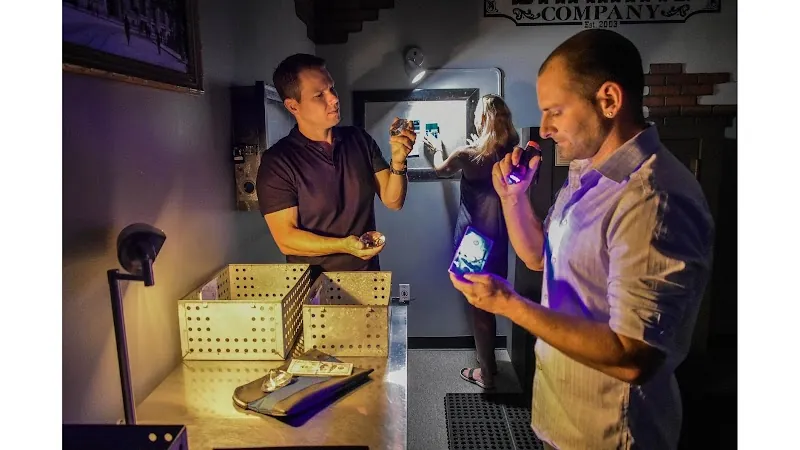
What Actually Happens Inside a Horror Escape Room (And Why It's Not Just a Haunted House)

You're standing in a dim hallway. A door creaks somewhere behind you. Your friend grabs your arm before you even realize you've stopped moving. That's the first thirty seconds of a horror escape room, and honestly, it only gets more intense from there.

Horror escape rooms have become one of the most searched categories on Escape Room Pal, and for good reason. They sit in their own category, separate from standard puzzle rooms and even from haunted attractions. If you've never done one, the concept can feel a little blurry. This article breaks down exactly what these places are, what you'll experience inside, and how they compare to similar options.
1. What a Horror Escape Room Actually Is
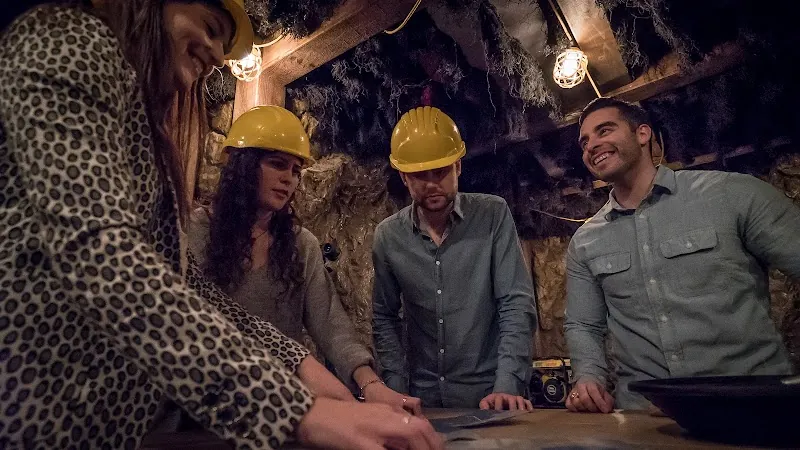
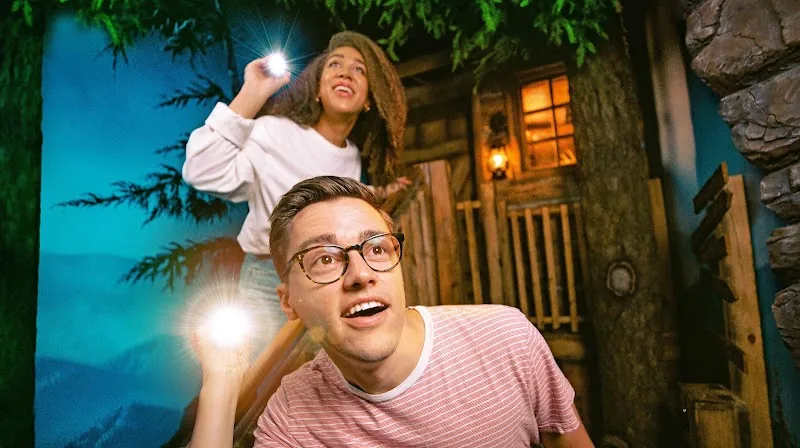
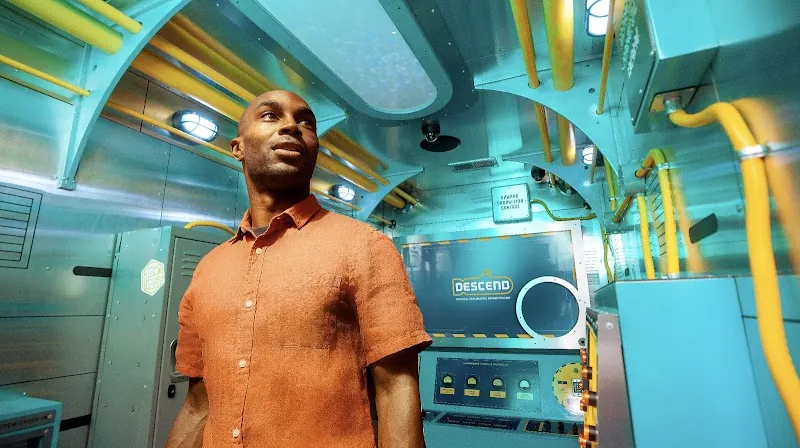
A horror escape room is a timed, interactive experience where a small group works together to solve puzzles and find a way out, all while the environment is designed to genuinely unsettle you. Not just dim lights and spooky music. We're talking full set design, atmospheric sound, and in many cases, live actors.
Most rooms run 60 minutes. Some push to 75 or 90 if the storyline is complex. Groups are usually capped at six to eight people, which keeps the experience tight and stops it from turning into a crowded mess where half the group stands around doing nothing.
And here's what separates a horror escape room from your average puzzle room: the fear is a mechanic, not just decoration. Operators build the scares directly into the flow of the game. A locked box might require you to look under a hospital bed. A code might be written somewhere you really do not want to reach your hand into. That deliberate discomfort is part of how these places are designed.
Worth knowing before you book: most horror escape rooms on Escape Room Pal, which has 84+ verified listings in this category, clearly label their scare intensity level. Look for that detail on the listing page before you commit.
2. What to Expect Once You're Inside
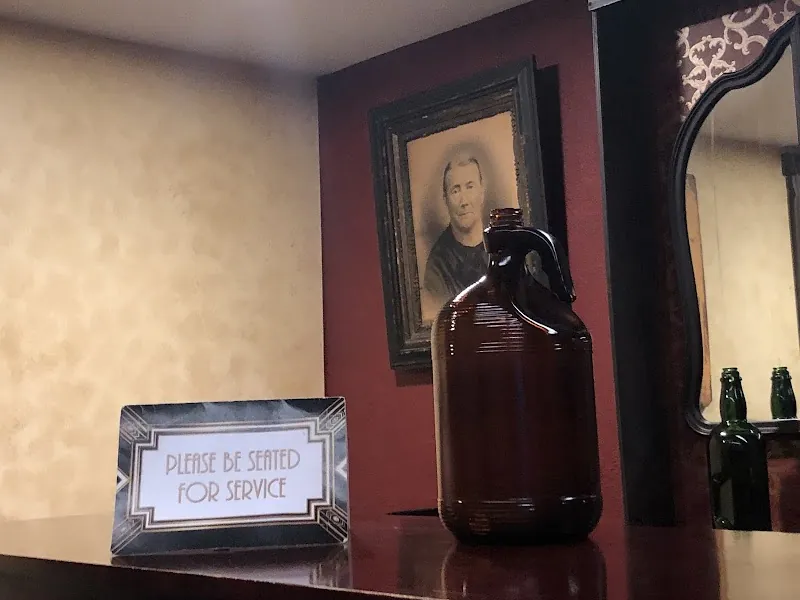
Walking into one for the first time, most people underestimate how quickly the atmosphere hits them. Even before the timer starts, the set is working on you. Props are detailed. Smells are sometimes added. A few operators use low-frequency audio that creates a sense of unease most people can't immediately identify.
Puzzles in horror escape rooms tend to be narrative-driven. You're not just solving a cipher for the sake of it. You're solving it because the story demands it, because something bad happens if you don't, or because the actor in the corner is getting closer. That narrative pressure changes how puzzles feel compared to a standard room.
Live actors are common but not universal. Some horror escape rooms are entirely static, relying on environment and sound design rather than performers. Others use one or two actors who roam the space, interact with players, and respond to what the group does. Neither format is better. They're just different kinds of uncomfortable.
One thing to plan for: most facilities do a safety briefing before the room. Pay attention to it. You'll learn where the emergency exits are, what word or gesture means "I need out now," and whether the actors can touch you. A good facility takes this seriously, and the best ones do not rush it.
3. How Horror Escape Rooms Differ from Haunted Houses
People mix these up constantly. Understandable, but they're genuinely different experiences.
A haunted house is passive. You walk through, things jump out at you, and you exit at the end of the path. There's no solving involved. Your job is essentially just to keep moving forward and try not to embarrass yourself in front of strangers.
A horror escape room asks you to think under pressure. You can't just walk through it. Staying calm enough to actually read a clue while something unsettling is happening in the room, that's a real skill, and it's what makes these experiences stick with people long after they're done. Haunted houses are a reaction. Horror escape rooms are a test.
They also differ from standard escape rooms in tone and difficulty curve. Standard rooms are usually designed so that most groups can complete them with some effort. Horror escape rooms sometimes intentionally lower the completion rate because the stress affects performance. Groups make worse decisions when they're scared. Operators know this, and many of them build rooms around it.
I'd pick a horror escape room over a haunted house for a group experience almost every time. The shared stress of solving puzzles together creates a much better story to tell afterward.
4. Tips for Booking Your First Horror Escape Room
Group size matters more than people think. Four people is usually the sweet spot for horror rooms. Big enough to cover puzzle-solving, small enough that the atmosphere stays intense. Eight people in a horror room can sometimes feel like a field trip, which kills the mood fast.
Check the scare type before booking. Some horror escape rooms are psychological, built on dread and atmosphere. Others are jump-scare heavy. Some use gore. Listings on Escape Room Pal usually specify this, and it's worth reading carefully if anyone in your group has specific sensitivities.
Show up a few minutes early. Not just because facilities ask you to, but because arriving rushed and flustered before a horror room is a bad way to start. Give yourself time to settle, do the briefing properly, and actually absorb what the game master tells you.
And go in with the right mindset. You are almost certainly not going to escape. Most groups don't on their first try, especially in horror rooms where the stress makes clear thinking harder. That's fine. Finishing the room is not the point. The experience is.
Ready to find a horror escape room near you? Browse the verified listings on Escape Room Pal and filter by scare intensity, group size, and location to find the right fit for your group.