Puzzle Rooms Are Not Escape Rooms — Here Is Why That Distinction Matters

Someone books a night out, types "puzzle room" into a search bar, and ends up standing in front of a venue expecting a chill board-game-style experience. Then the door locks behind them and a countdown clock hits 60:00. Surprise. What they walked into was an escape room with a puzzle-heavy theme, and those two things are related but not identical. Getting clear on the difference before you book saves a lot of confusion, and honestly, it helps you pick the experience that actually fits what you are looking for.

What a Puzzle Room Actually Is
Puzzle rooms are physical spaces designed around solving a series of connected challenges, usually within a set time limit. That part sounds familiar if you have done an escape room before. But puzzle rooms tend to put the problem-solving front and center, with less emphasis on theatrical storytelling or horror atmosphere and more focus on logic, pattern recognition, and hands-on manipulation of objects in the space.
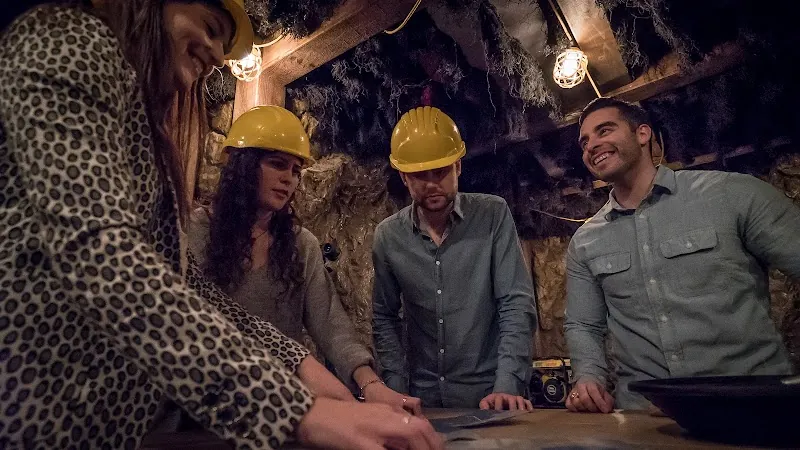
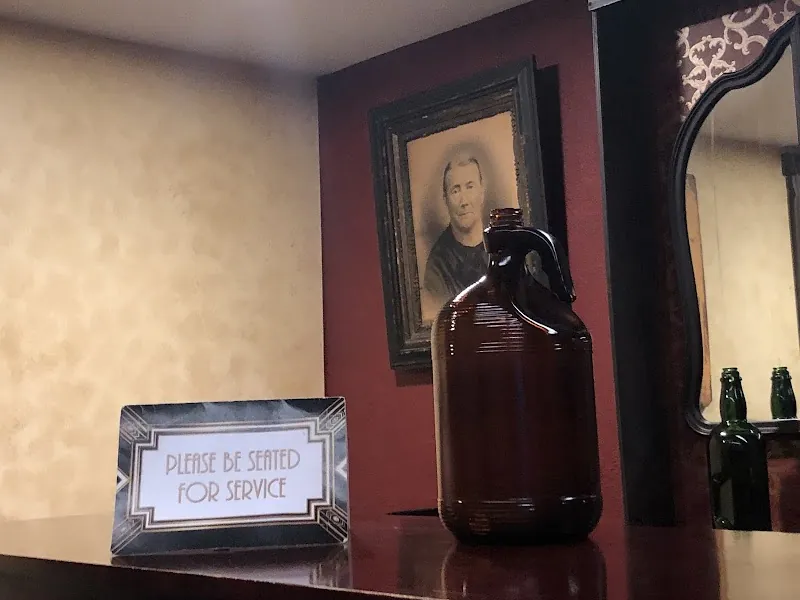
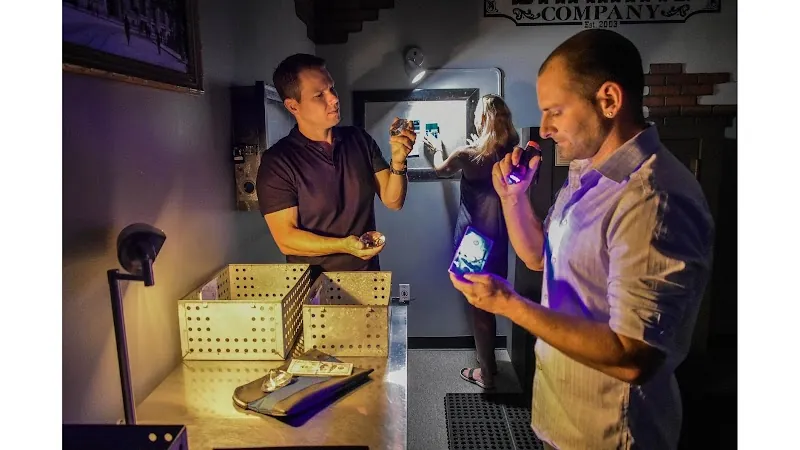
Walking into one for the first time, you will typically find a room loaded with physical props: locked boxes, coded panels, hidden compartments, and sometimes mechanical contraptions that reward careful observation rather than brute-force searching. Some puzzle rooms are standalone experiences with no narrative wrapper at all. Others have a light story, just enough to give context to why you are cracking a safe or decoding a cipher.
Groups of two to six people are the norm. Most venues set a 60-minute window, though some run shorter 45-minute formats or longer 90-minute ones for more complex builds. You do not need any prior experience. Most puzzle rooms are designed so a first-timer and a seasoned enthusiast can both have a good time, though the difficulty gap between "beginner" and "expert" tracks can be steep.
And here is something worth knowing before you show up: puzzle rooms are almost always non-linear. You are not expected to solve challenge A, then B, then C in order. Multiple puzzles are usually available at once, and good teams split attention rather than crowding around one lock for twenty minutes. That cooperative element is a big part of what makes these places work as group activities.
How Puzzle Rooms Differ from Escape Rooms and Similar Experiences
Escape rooms are the broader category. Puzzle rooms fit inside that category, but not every escape room is a puzzle room in the way enthusiasts use that term.
Some escape rooms are primarily performance experiences. Actors move through the space. Jump scares happen. Sound design carries a lot of weight and the puzzles themselves are almost secondary to the atmosphere. Those are great if you want immersive theater. But if you want to sit with a genuinely hard cipher or a multi-step mechanical puzzle that requires real concentration, a room built around that kind of challenge is a different animal entirely.
Hunt-style puzzle games are another cousin. Think MIT Mystery Hunt or printed puzzle magazines brought to life. Some venues offer tabletop puzzle hunt events that share DNA with puzzle rooms but happen at a table rather than in a locked space. Puzzle rooms sit between those two worlds: physical, timed, and spatial, but focused on the intellectual challenge rather than the drama.
Wait, that is not quite right to say drama is absent from puzzle rooms. Some of the best ones have genuinely clever narrative payoffs. But the story serves the puzzle, not the other way around. That is the real distinction.
Puzzle rooms also tend to have higher replayability potential across a portfolio. Because the focus is on the mechanics, venues that specialize in this format often build multiple rooms at different difficulty levels and rotate new puzzle designs in more frequently than escape rooms with heavy set construction costs.
What to Expect When You Visit One
Most puzzle room venues follow a predictable structure. You arrive, sign a waiver, get a brief orientation from a game master, and then the clock starts. Game masters monitor you through cameras and can offer hints, usually on a request system or through a screen inside the room. Some places give you unlimited hints. Others limit you to three. Ask before you go in.
Dress practically. You will crouch, reach overhead, and possibly crawl depending on the room design. High heels are a bad call. Loud groups of six people who have already had a few drinks will likely struggle, not because the puzzles are unfair, but because puzzle rooms genuinely reward focus and communication. Smaller groups of three or four often perform better than maximum-size groups who trip over each other.
On Escape Room Pal, you can browse 84+ verified listings covering puzzle rooms and related formats, with an average rating of 4.9 stars across venues. That kind of consistency in ratings suggests most operators in this space take quality control seriously, which tracks with what repeat visitors report: well-maintained props, responsive staff, and puzzles that have been tested enough to be solvable but not trivially easy.
One practical tip: call ahead and ask about puzzle reset frequency. A room where a critical prop has been broken for two weeks is a frustrating experience. Good venues reset between every group and do a full prop check. Asking that question upfront tells you a lot about how a venue operates.
Finding the Right Puzzle Room for Your Group
Difficulty ratings matter more at puzzle rooms than at atmosphere-heavy escape rooms. A group of first-timers will have a genuinely bad time in a room rated for experienced players, and not in a fun way. Check the venue's own difficulty scale, and then read a few reviews to calibrate. Venues sometimes rate their rooms generously.
Group composition matters too. Corporate team-building groups, date nights, and hardcore puzzle enthusiasts all want different things from the same format. A room built around a single massive mechanical puzzle might be thrilling for two people who both love that style but overwhelming for a twelve-person office group who all need something to do at once.
I would pick a mid-difficulty puzzle-focused room over a beginner escape room for a first visit every time. Puzzle rooms at the mid level tend to be designed with more care, and the satisfaction of actually solving something hard is worth the extra mental effort.
Booking in advance is almost always necessary on weekends. Most popular venues sell out Friday and Saturday slots days ahead. Midweek bookings are easier to get and sometimes come with a lower price, though not all venues discount off-peak slots.
- Ask the venue directly how hint-heavy the room is designed to be. Some puzzles are intentionally obscure and expect you to use hints. Others are fully solvable without any.
- If your group has done several escape rooms before, mention that when you book. Good staff will point you toward the room that will actually challenge you rather than default
More Ways to Save