Immersive Experiences Are Not Escape Rooms (But They're Often Just as Fun)

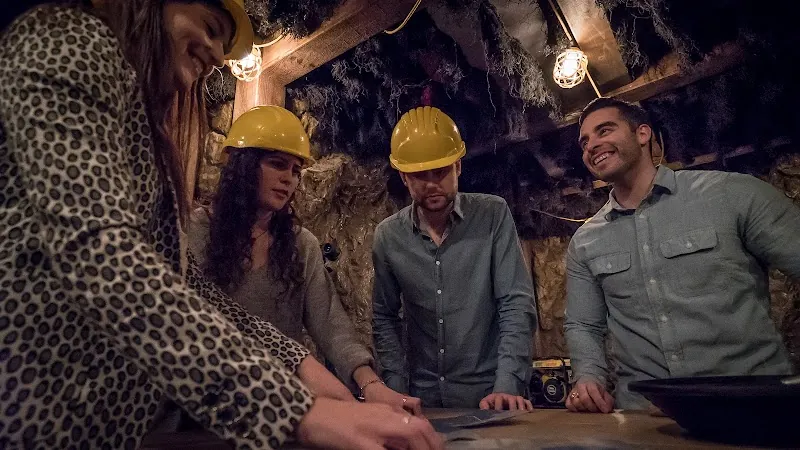
Someone books a night out thinking they're heading to a straightforward escape room. They show up, and the whole thing is a live-action story where actors are talking to them, the walls are moving, and there's no padlock in sight. Confusion sets in fast. Was this what they signed up for? Are they doing it wrong? Probably not. They just wandered into a full immersive experience without knowing what that actually means, and that gap between expectation and reality can throw off the whole visit.
Immersive experiences are their own category. They borrow some DNA from escape rooms, sure, but they work differently, feel different, and ask something different from you as a participant.
So What Actually Is an Immersive Experience?
Put simply, it's entertainment that puts you inside the story rather than outside it. You are not watching something happen. You're in the room, part of the world, reacting to things as they unfold around you. That might mean walking through a haunted house where actors respond to your choices, or sitting at a dinner table where a mystery plays out around you, or moving through a series of elaborately built rooms where every detail is there to make you feel like you've stepped into another time or place.
Honestly, the range is pretty wild. Some immersive experiences are totally passive, meaning you walk through and observe. Others want full participation, and you'll feel awkward standing still. Before you book, check whether the venue expects you to engage actively or just absorb the atmosphere. That one detail changes the whole evening.
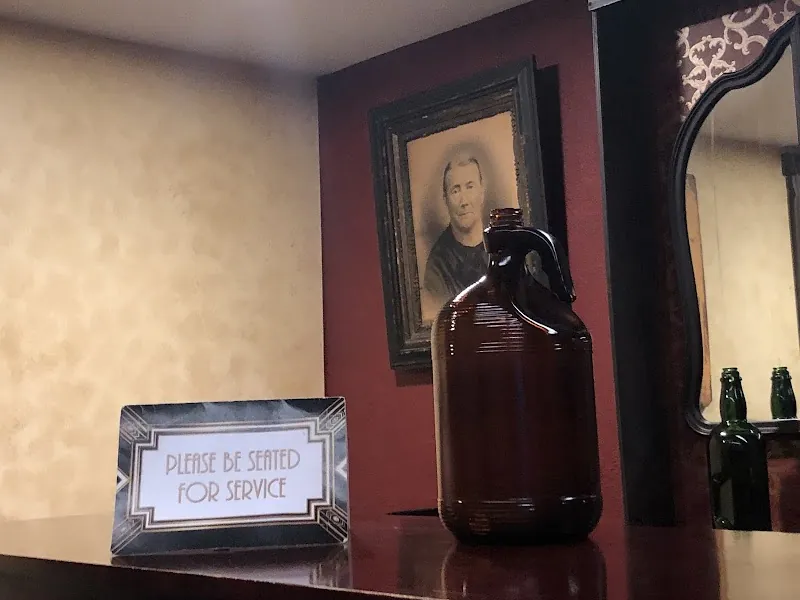
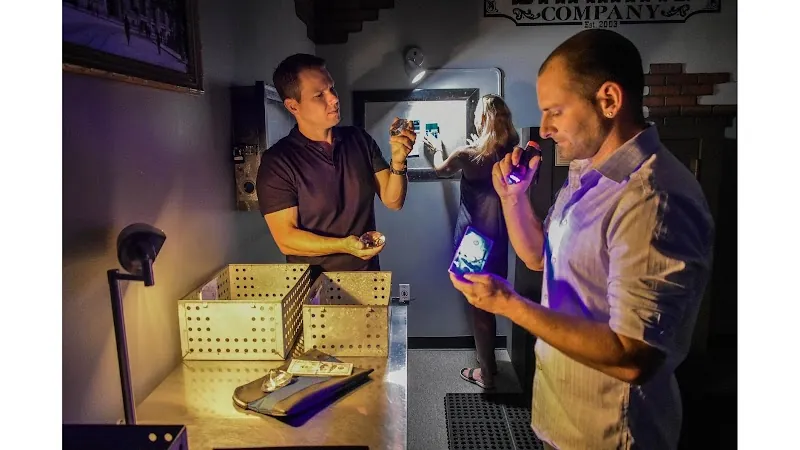
Most of these venues put enormous effort into set design, lighting, sound, and costuming. You'll notice things like layered audio, where ambient sounds shift depending on which part of the room you're in, or props that are meant to be touched and handled. It's a much more sensory experience than a standard escape room where the focus is almost entirely on puzzle-solving.
Actionable tip: look at photos before booking. Not just the hero image on the listing, but any gallery shots. You can usually tell within a few seconds whether this is a puzzle-focused space or a full theatrical environment.
How These Places Differ from Escape Rooms and Other Experiences
Escape rooms have a clear goal. You find clues, solve puzzles, beat the clock. Immersive experiences often don't have a timer. Or a win condition. Or a way to fail in the traditional sense. That freaks some people out, especially if they're competitive types who want a score at the end. And honestly, fair enough. But once you adjust your expectations, most people find it more relaxing, because the pressure drops away.
Wait, that's not quite right. Some immersive experiences do have puzzles and goals baked in. The difference is that the puzzle is wrapped in a lot more narrative and atmosphere. You might need to solve something to progress, but the solving feels incidental to the story rather than the whole point.
Compared to theater or live shows, immersive experiences give you agency. You decide where to walk, what to look at, who to talk to. Two people can go through the same venue on the same night and have completely different experiences based on the choices they made. That's not possible sitting in a seat watching a stage.
Haunted attractions overlap a bit with this category too, especially around October. But a haunted house is usually designed to scare and move you through quickly. An immersive experience typically wants you to slow down, stay curious, and spend time in each space. The pacing is fundamentally different.
Actionable tip: if you're booking for a group with mixed interests, immersive experiences tend to be a safer bet than escape rooms. There's no single person holding the group back by not solving a puzzle, and everyone can find something to engage with at their own pace.
What to Expect When You Walk In
Most immersive experience venues will give you a short briefing before you start. Pay attention to it. Not because you'll be quizzed, but because they'll tell you what you can and can't touch, whether photography is allowed, and any content warnings you should know about. Skip this part and you'll be that person asking a staff member mid-experience whether the door in the corner is real or just a set piece.
Group size matters more here than it does at a lot of other experiences. A small group in a large immersive venue can feel lonely and a bit weird, like you're wandering through something that was built for a crowd. On the flip side, too many people and you end up bottlenecked in narrow corridors waiting for the person in front of you to stop reading every single placard on the wall. Six to twelve people is usually a sweet spot for most venues.
Escape Room Pal has 84+ verified listings in the immersive experience category, with an average rating of 4.9 stars. That high average makes sense when you think about the type of visitor these places attract. People book immersive experiences on purpose, usually after some research, so they're already primed to enjoy it.
Dress practically. Wear shoes you can stand in for an hour or two. Some venues involve crawling, crouching, or navigating tight spaces. You will feel slightly overdressed and slightly out of place if you show up in formal wear, unless the venue specifically calls for a costume or themed dress code, which some do.
Actionable tip: read reviews that mention duration. Listings sometimes say "60-90 minutes" but real visitor reviews will tell you whether that's accurate or whether most groups finish in 45 and feel a little shortchanged.
Finding the Right Immersive Experience for Your Group
Not all immersive experiences are built the same. Some lean heavily into horror, others into wonder and curiosity, others into social interaction with performers. Knowing which flavor you're after saves a lot of disappointment.
Horror-adjacent immersive experiences are probably the most common type. They do well because the format naturally suits tension and surprise. But if someone in your group has a low tolerance for that kind of thing, there are plenty of non-scary options built around art, history, mystery, or pure spectacle. These places don't get as much buzz online, but they're often more carefully crafted.
For repeat visitors, this is where the category really shines. Unlike an escape room where you know all the answers once you've done it, a well-built immersive experience can be revisited and you'll notice things you missed the first time. Some venues are specifically designed with this in mind, hiding story threads that only become clear on a second visit.